Enterprise Operations
2024
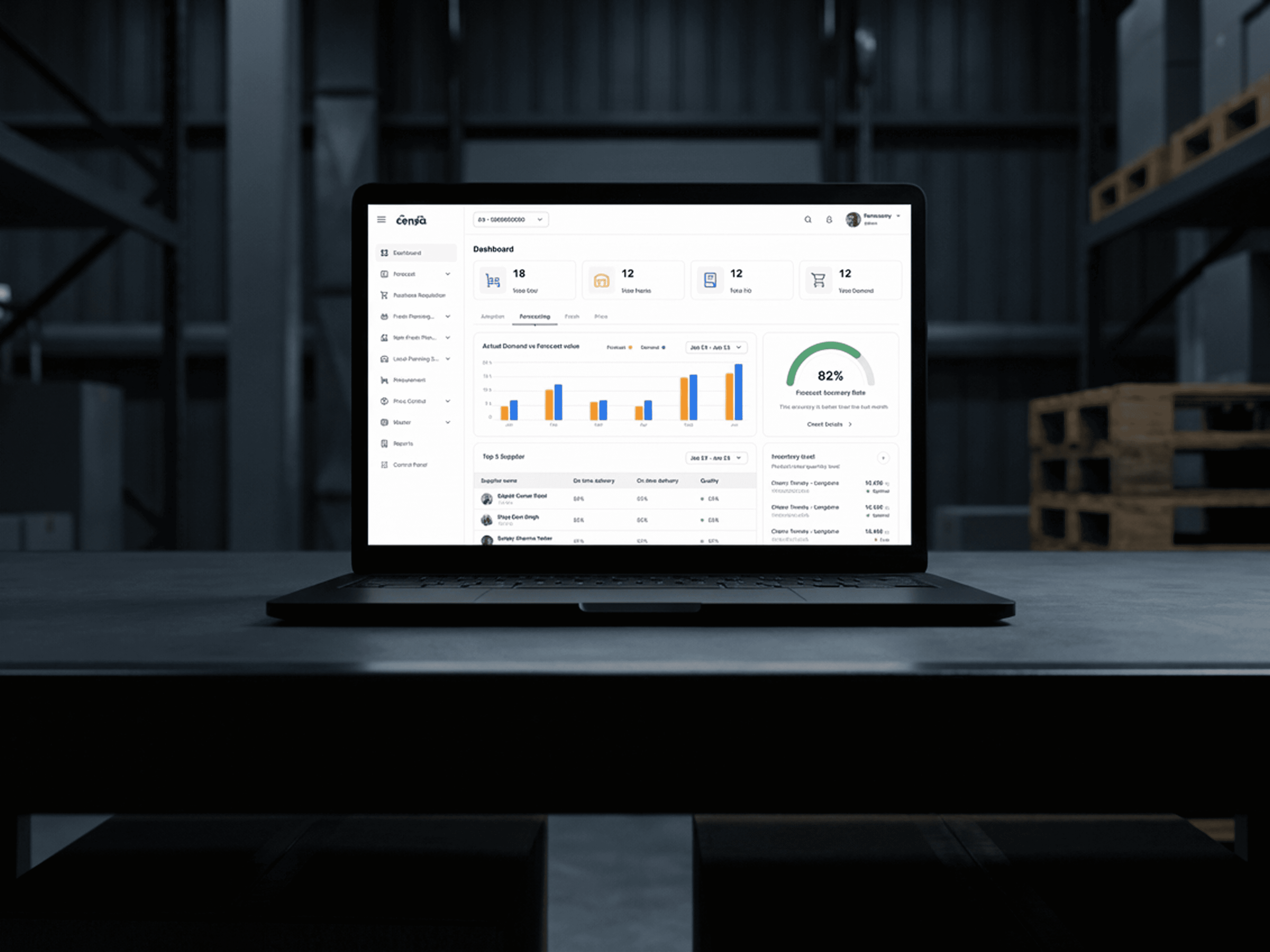
Censa Logistics Portal
One control center for the people running the operation — replacing a workflow scattered across five modules.
Web
DasHboard
Enterprise Operations
2024
Censa Logistics Portal
One control center for the people running the operation — replacing a workflow scattered across five modules.
Web
DasHboard
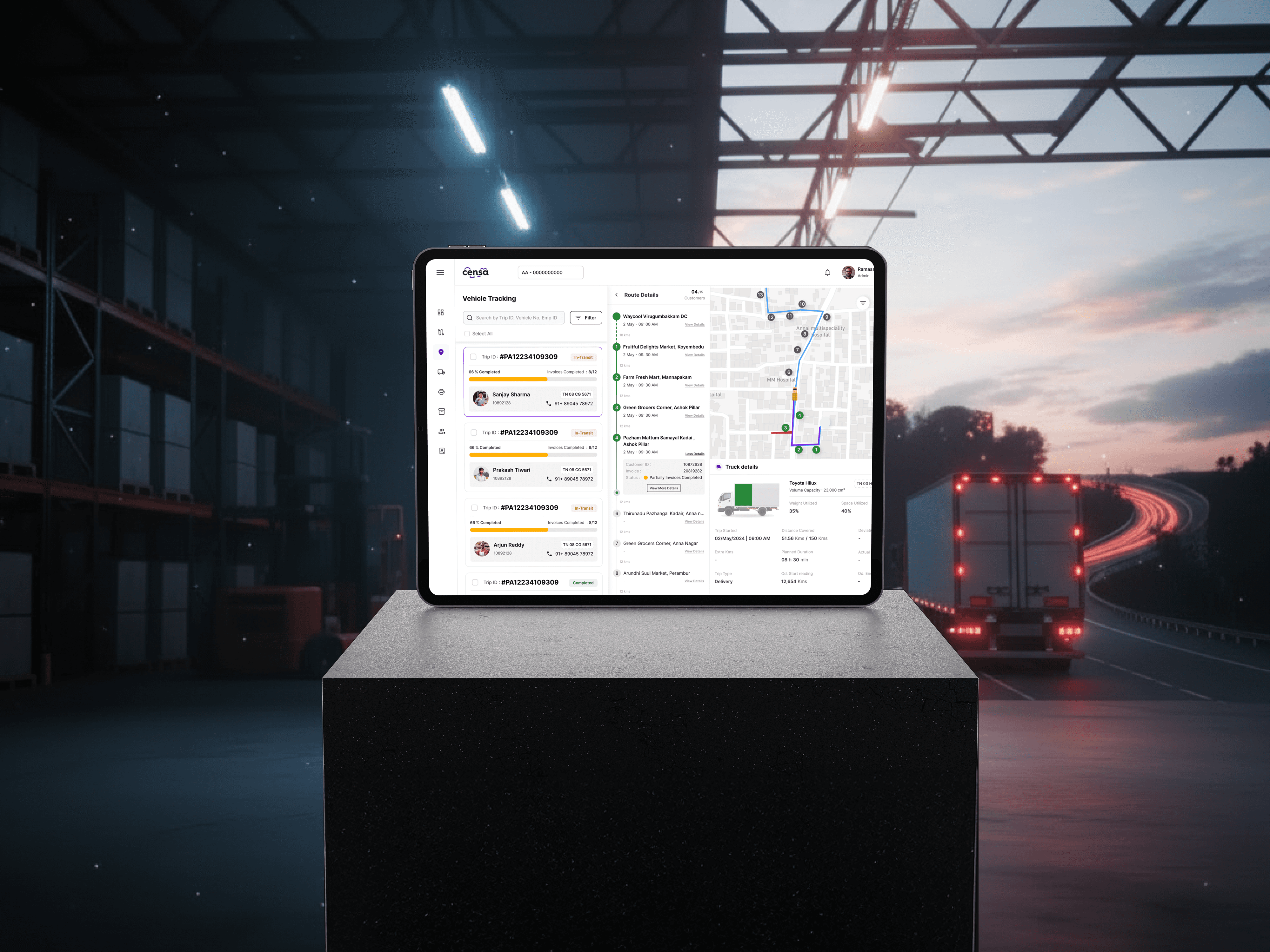
Role : Sole UX/UI Designer
Team : Solo, with product & engineering
Company : CensaNext Pvt Ltd
Timeline : Feb – Jun 2024 (~5 months)
Platform : Desktop web
Role : Sole UX/UI Designer
Team : Solo, with product & engineering
Company : CensaNext Pvt Ltd
Timeline : Feb – Jun 2024 (~5 months)
Platform : Desktop web
Overview
Ops teams at Censa ran daily logistics through a platform that had grown module by module — Trips, Vehicles, Deliveries, each its own screen, each holding one piece of the picture. Completing a single task meant stitching that picture together yourself.
I redesigned it around the thing every one of those workflows had in common: the people. Drivers, delivery executives, plant staff. One control center instead of five separate screens.
Overview
Ops teams at Censa ran daily logistics through a platform that had grown module by module — Trips, Vehicles, Deliveries, each its own screen, each holding one piece of the picture. Completing a single task meant stitching that picture together yourself.
I redesigned it around the thing every one of those workflows had in common: the people. Drivers, delivery executives, plant staff. One control center instead of five separate screens.
Problem
The system wasn't missing features. It was missing structure.
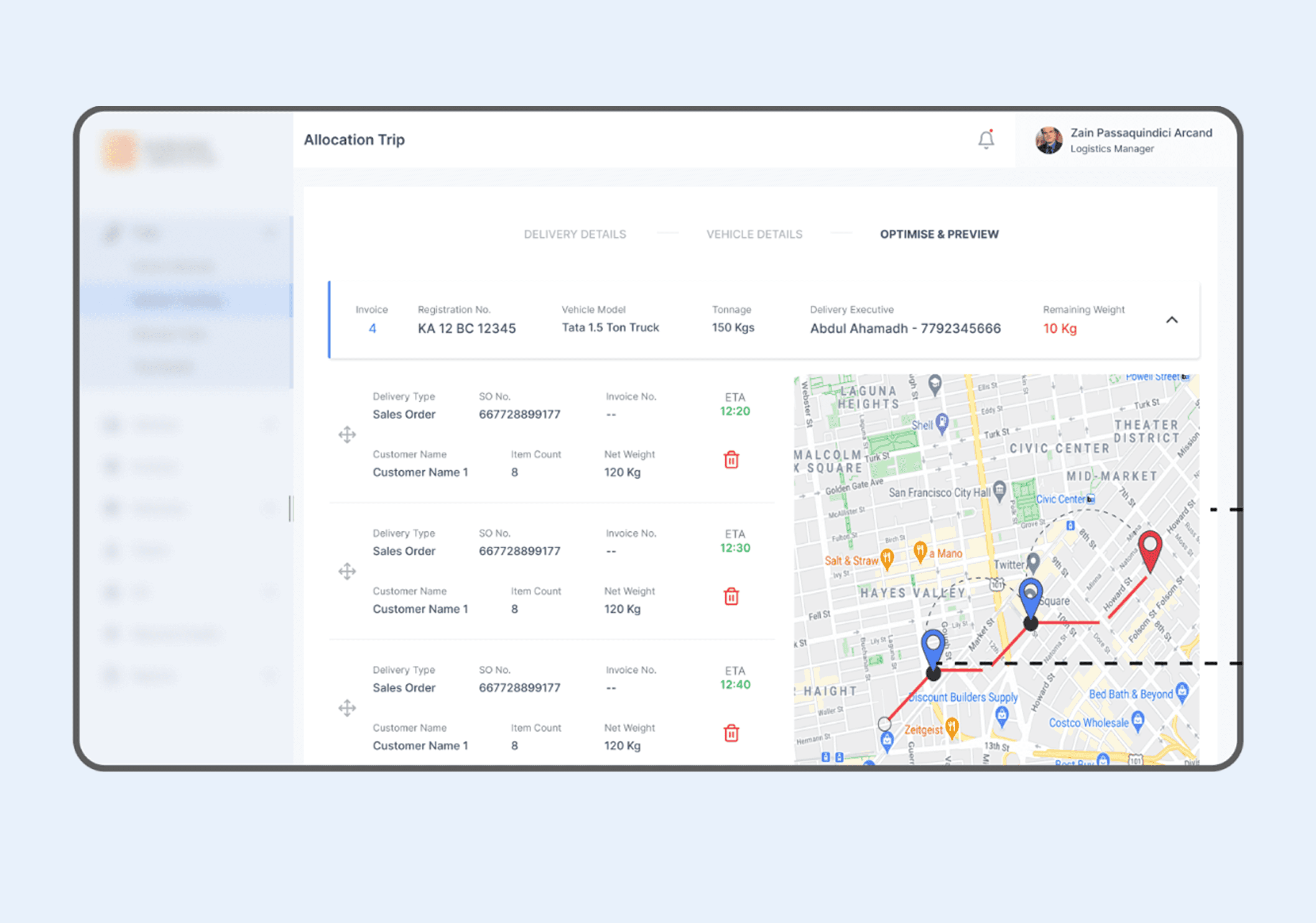
Planning one delivery meant checking vehicle availability in one module, assigning routes in another, verifying status in a third
The information needed for a decision was never on the screen where the decision happened
The same actions repeated across different workflows, each behaving slightly differently
Managers held the real state of the operation in their heads, because no screen held it for them
Problem
The system wasn't missing features. It was missing structure.
Planning one delivery meant checking vehicle availability in one module, assigning routes in another, verifying status in a third
The information needed for a decision was never on the screen where the decision happened
The same actions repeated across different workflows, each behaving slightly differently
Managers held the real state of the operation in their heads, because no screen held it for them
Who is this for
Logistics managers planning deliveries across multiple locations — allocating vehicles, tracking drivers, making cost and time calls in real time. They weren't struggling with the complexity of the job. They were struggling with how much of the system's job they were doing manually.

Who is this for
Logistics managers planning deliveries across multiple locations — allocating vehicles, tracking drivers, making cost and time calls in real time. They weren't struggling with the complexity of the job. They were struggling with how much of the system's job they were doing manually.
Key Insight
The problem wasn't complexity. It was that the system was organized around objects — trips, vehicles, deliveries — while the work was organized around people. Every workflow, underneath, was someone managing someone: which driver, which route, which shift. The modules just hid that.
Key Insight
The problem wasn't complexity. It was that the system was organized around objects — trips, vehicles, deliveries — while the work was organized around people. Every workflow, underneath, was someone managing someone: which driver, which route, which shift. The modules just hid that.
Approach
I mapped the full structure of the platform first — every module, every workflow, every place a user had to jump between them. The map made the pattern obvious: the jumps always happened around people. Assigning a driver, checking an executive's load, confirming plant staffing. That's where the redesign had to live.

Users often had to move between modules like Trips, Vehicles, and Deliveries to complete a single workflow.
For example, planning a delivery required checking vehicle availability, assigning routes, and verifying delivery status across different sections, increasing time and effort.
Approach
I mapped the full structure of the platform first — every module, every workflow, every place a user had to jump between them. The map made the pattern obvious: the jumps always happened around people. Assigning a driver, checking an executive's load, confirming plant staffing. That's where the redesign had to live.
Users often had to move between modules like Trips, Vehicles, and Deliveries to complete a single workflow.
For example, planning a delivery required checking vehicle availability, assigning routes, and verifying delivery status across different sections, increasing time and effort.
Solution
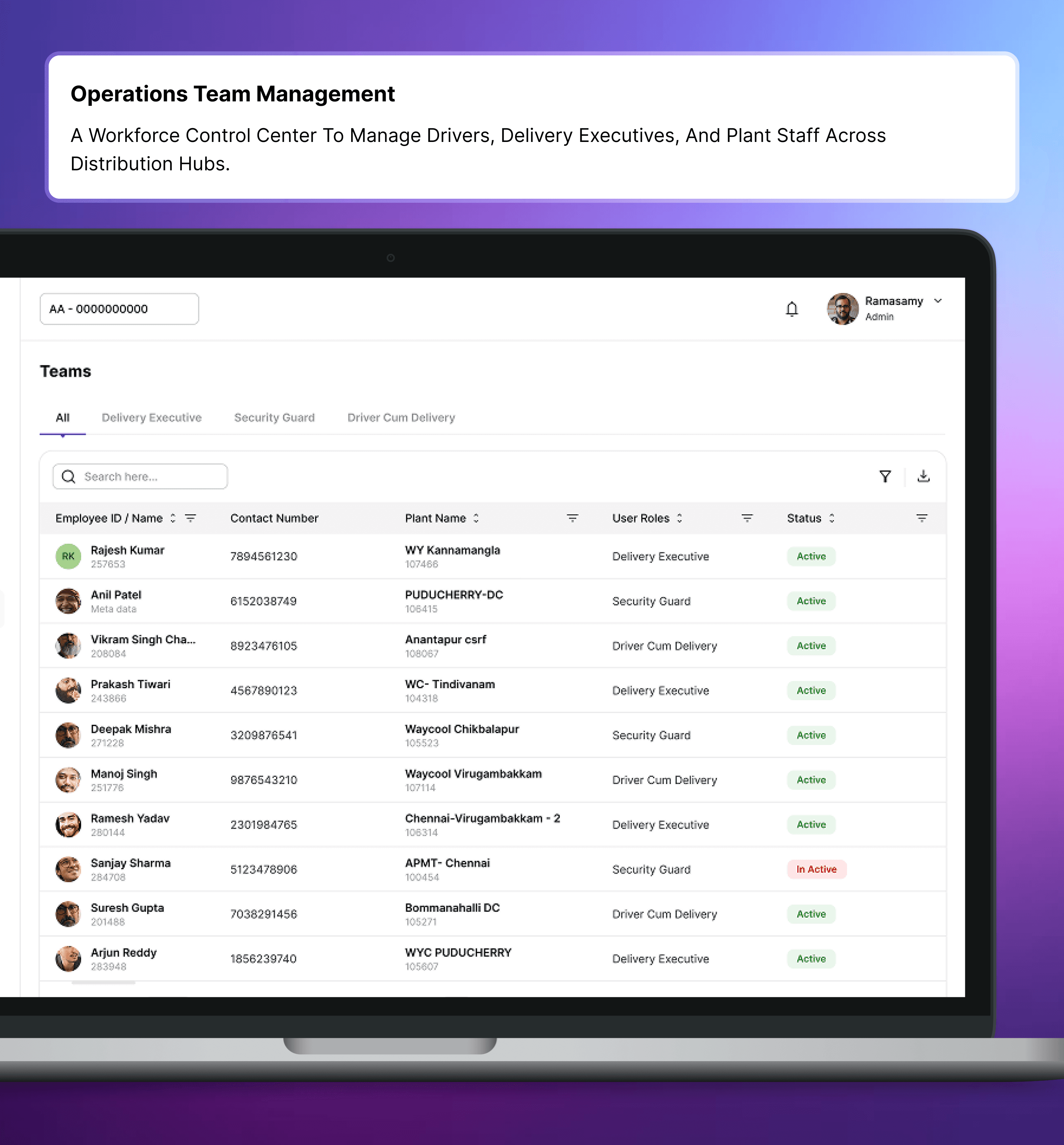
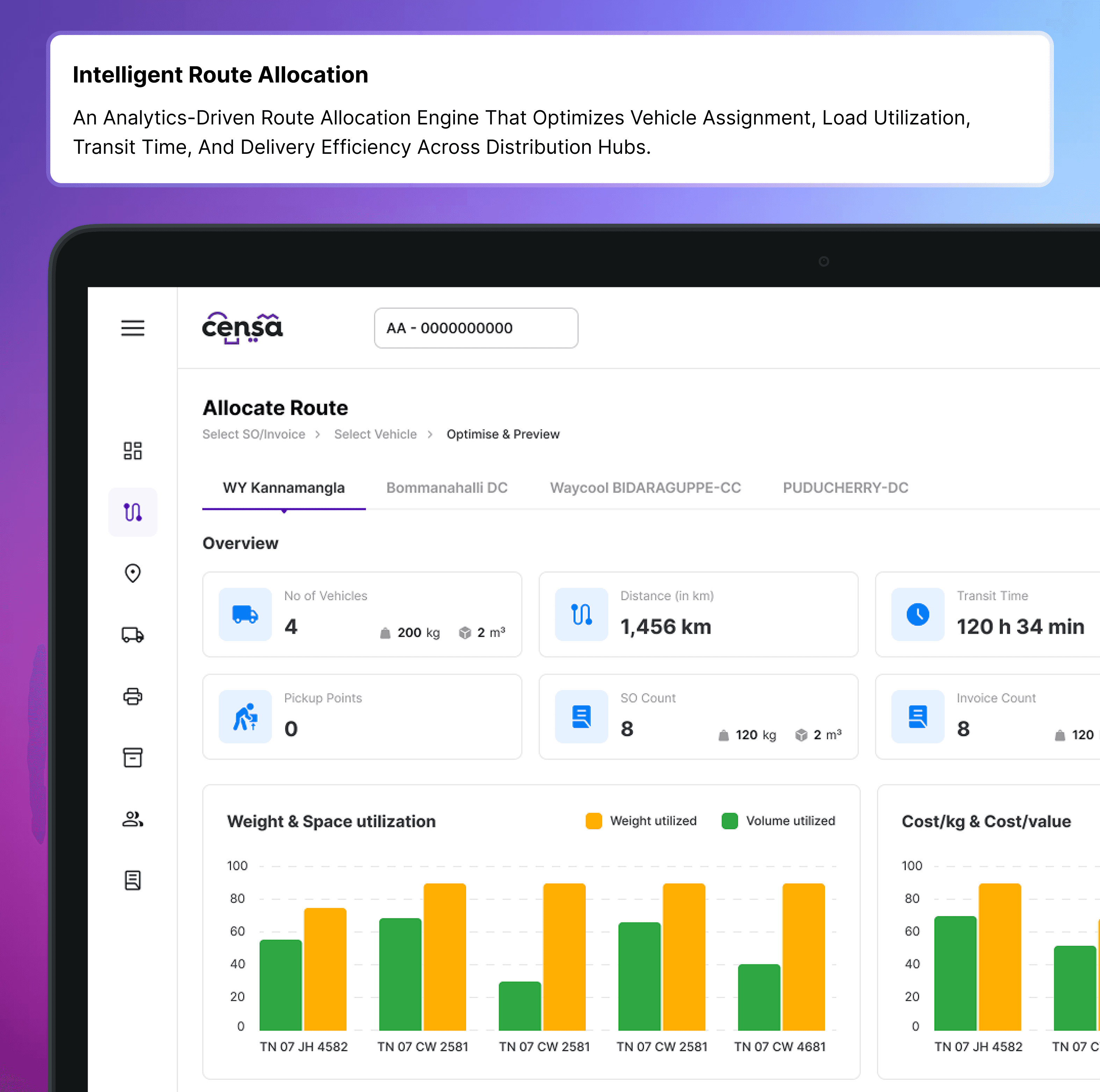
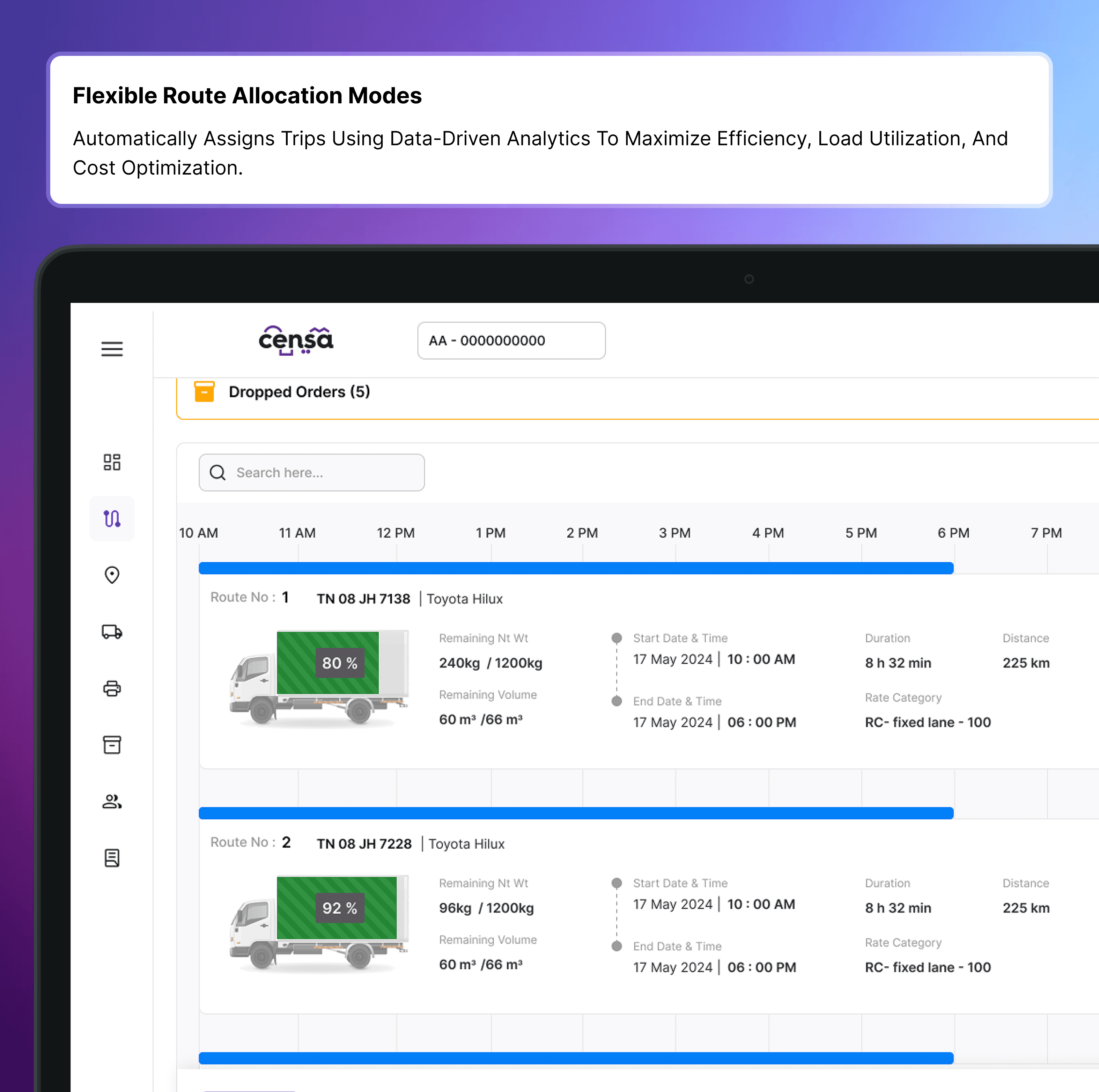
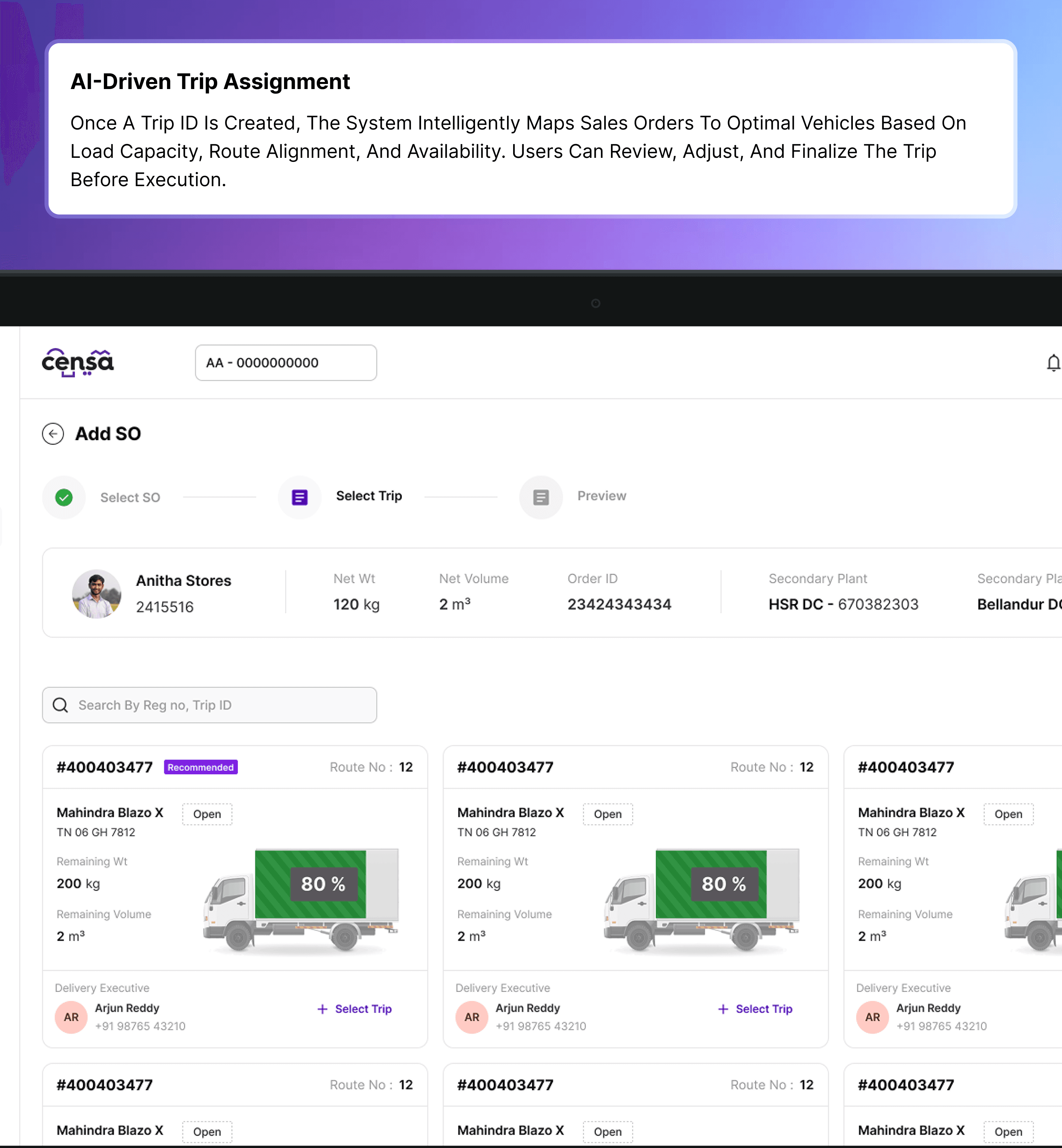
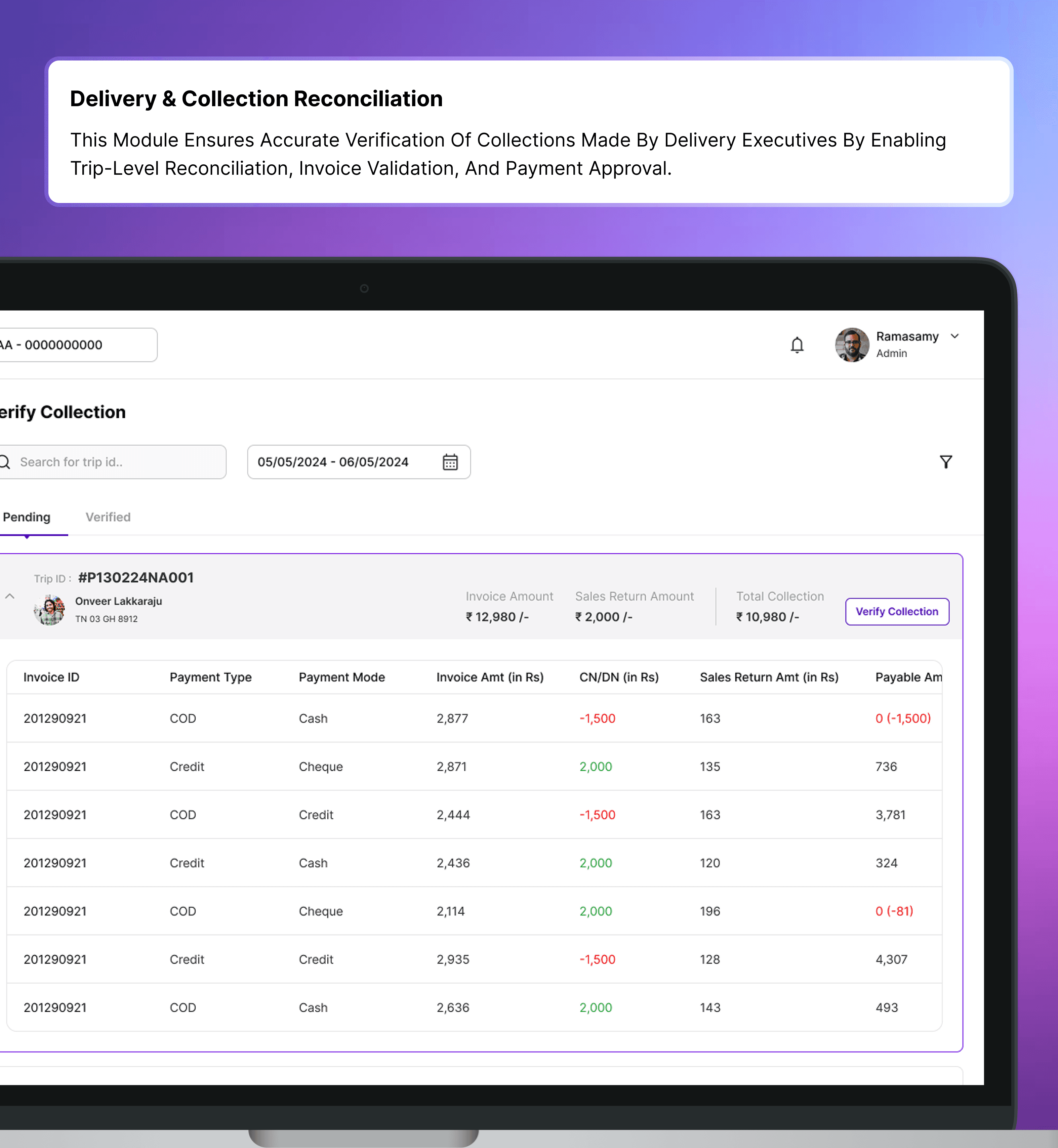
A workforce control center: drivers, delivery executives, and plant staff across all distribution hubs, in one view. Status, capacity, and assignment in the same place the decision gets made — no more reconstructing the picture from three modules.
Solution
A workforce control center: drivers, delivery executives, and plant staff across all distribution hubs, in one view. Status, capacity, and assignment in the same place the decision gets made — no more reconstructing the picture from three modules.
Outcome
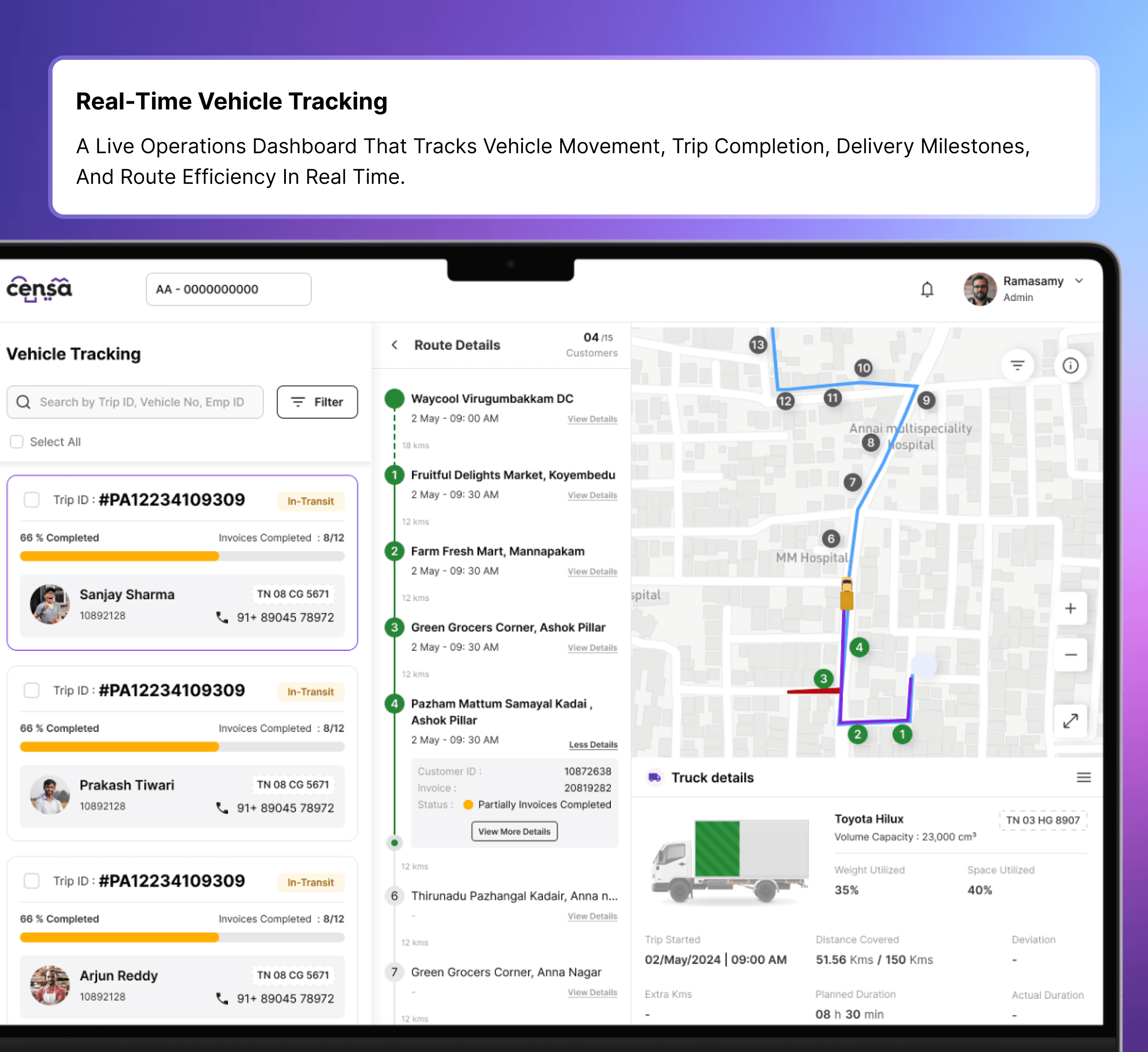
These changes improved operational efficiency by 25%, and contributed to a design-led effort that reduced 22 tons of food waste across the supply chain — work that earned me Employee of the Month.
Outcome
These changes improved operational efficiency by 25%, and contributed to a design-led effort that reduced 22 tons of food waste across the supply chain — work that earned me Employee of the Month.
More Works
More Works
Discuss about work or just WANT TO SAY HI?
LET'S CHAT
Discuss about work or
just WANT TO SAY HI?
LET'S CHAT